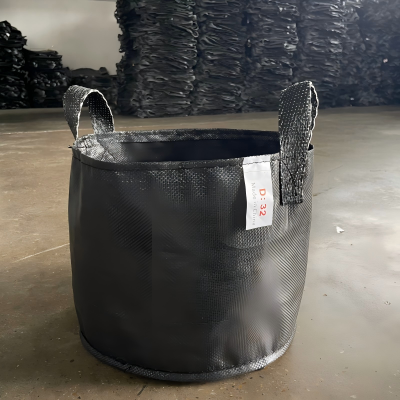
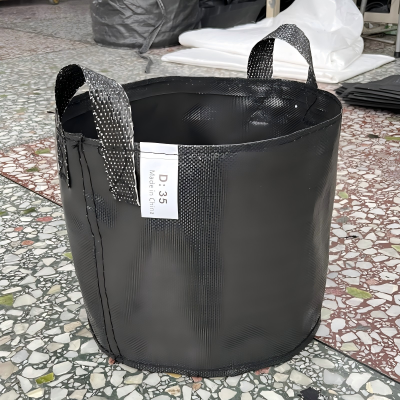
How to Choose Heavy Duty Grow Bags for Commercial Nurseries and Large-Scale Plant Production
For commercial nurseries, tree farms, and large-scale plant production operations, choosing the right grow bags is not simply about selecting a container size. The quality of the grow bag directly affects plant health, transportation efficiency, labor costs, and production success.
Many growers start with ordinary garden grow bags but quickly discover that they cannot handle the demands of commercial production. Large plants, long growing cycles, outdoor exposure, frequent transportation, and heavy soil loads require heavy duty grow bags designed specifically for professional applications.
This article explains the key factors commercial growers should consider when selecting professional plant containers.
Commercial Grow Bags vs Home Garden Grow Bags: What Is the Difference?
Although home gardening bags and commercial nursery grow bags may look similar, their construction and performance requirements are very different.
Home Garden Grow Bags
Home-use grow bags are usually designed for:
l Small vegetables and flowers
l Short growing periods
l Limited movement
l Lightweight soil volumes
l Occasional outdoor use
They are typically made with lighter fabric and simpler stitching because they do not need to support large root systems or heavy plants.
Commercial Nursery Grow Bags
Professional nursery grow bags are designed for:
l Trees and shrubs
l Large-scale seedling production
l Long-term outdoor use
l Frequent transportation
l Heavy soil and root ball weight
A commercial grow bag must provide:
l High tensile strength
l Excellent UV resistance
l Strong seam durability
l Reliable lifting performance
l Consistent quality for large-volume production
For commercial growers, choosing professional-grade containers reduces replacement costs and improves operational efficiency.
How Does GSM Affect Grow Bag Strength?
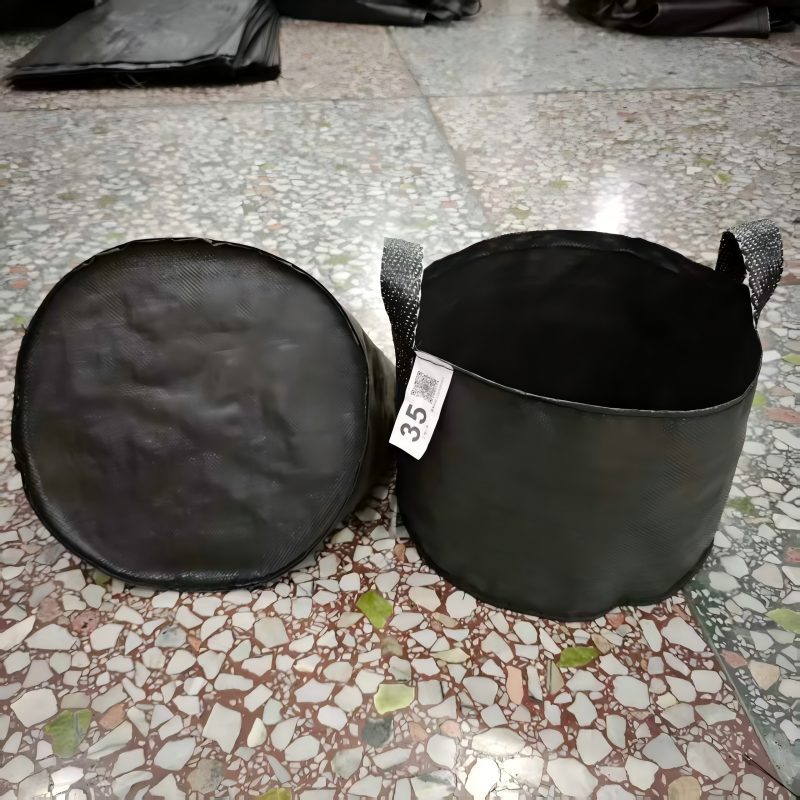
One of the most important factors when selecting heavy duty grow bags is fabric weight, commonly measured by GSM (grams per square meter).
GSM represents the density and thickness of the fabric. Generally, higher GSM materials provide greater strength and durability.
Low GSM Fabric
Suitable for:
l Small plants
l Short-term nursery use
l Indoor applications
Limitations:
l Lower tear resistance
l Reduced lifespan under sunlight
l Not suitable for heavy plants
Medium GSM Fabric
Suitable for:
l Medium-sized plants
l Standard nursery production
l Moderate transportation requirements
High GSM Fabric
Recommended for:
l Large trees
l Commercial nurseries
l Long growing cycles
l Harsh outdoor environments
Advantages include:
l Stronger load-bearing capacity
l Better resistance against tearing
l Improved UV protection
l Longer service life
For large-scale plant production, selecting the correct GSM is essential to balance cost and performance.
Why Handle Design Matters for Commercial Grow Bags
Many growers underestimate the importance of handles. However, when moving large plants, handle strength directly affects safety and efficiency.
A mature tree inside a grow bag can weigh hundreds of kilograms. Weak handles can cause:
l Bag deformation
l Soil leakage
l Plant damage
l Worker safety risks
Professional commercial nursery grow bags often use reinforced handles with:
l Wider lifting straps
l Multiple stitching points
l Stronger connection areas
l Reinforced stress zones
A well-designed handle system allows nurseries to:
l Move plants more efficiently
l Reduce labor requirements
l Improve transportation safety
l Minimize product failure
For large-scale operations, handle design should always be included in supplier evaluation.
Stitching Technology: The Hidden Factor Behind Grow Bag Durability
Fabric strength alone does not determine grow bag quality. Stitching technology plays an equally important role.
During production, the seams experience significant pressure from:
l Heavy soil weight
l Root expansion
l Lifting operations
l Transportation vibration
Professional grow bag manufacturing typically focuses on:
Strong Seam Construction
High-quality stitching helps prevent:
l Bottom separation
l Side seam cracking
l Handle detachment
Reinforced Stress Areas
The most important areas include:
l Bottom corners
l Handle attachment points
l Side seams
A reliable manufacturer should have strict quality control processes to ensure every batch meets commercial production requirements.
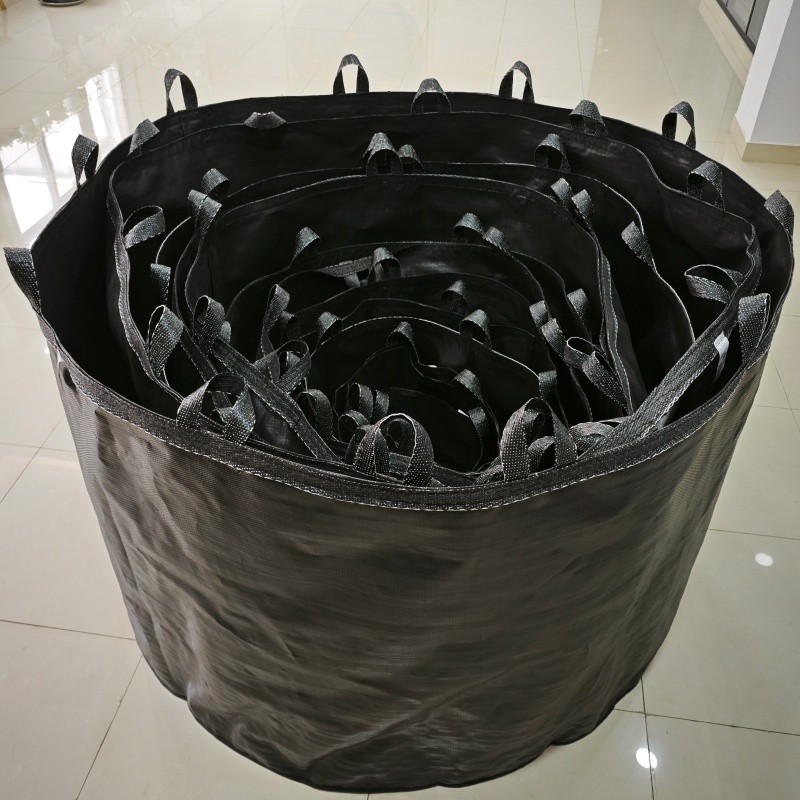
How to Evaluate Grow Bag Load Capacity?
Before purchasing large quantities, commercial growers should understand the actual load capacity of the grow bags.
Important testing factors include:
Static Load Testing
The bag is filled with soil or equivalent weight to test:
l Fabric strength
l Seam durability
l Handle performance
Transportation Testing
Commercial operations should consider:
l Lifting by workers
l Forklift movement
l Nursery relocation
l Long-distance shipping
Outdoor Weather Testing
Because many nurseries use grow bags outdoors for years, materials should be tested for:
l UV exposure resistance
l Temperature changes
l Moisture conditions
A high-quality UV resistant grow bag maintains strength even after prolonged outdoor exposure.
How Should Large Nurseries Select Grow Bag Sizes?
The correct grow bag size depends on plant type, growing period, and production goals.
Common considerations include:
Small Seedlings
Suitable for:
l Seedling production
l Young plants
l Short nursery cycles
Medium Plants
Suitable for:
l Shrubs
l Decorative plants
l Fruit tree seedlings
Large Trees
Require:
l Larger diameter
l Higher fabric strength
l Reinforced lifting handles
l Strong bottom construction
Commercial nurseries should select sizes based on:
l Expected root development
l Target plant height
l Transportation requirements
l Growing duration
Choosing the right size prevents root restriction and reduces unnecessary production costs.
Commercial Nursery Grow Bag Purchasing Checklist
Before placing a bulk order, professional growers should evaluate suppliers based on the following criteria:
Material Quality
l High-quality PP woven fabric
l UV-resistant treatment
l Appropriate GSM level
Manufacturing Quality
l Reinforced stitching
l Strong handles
l Consistent dimensions
Performance Requirements
l Tested load capacity
l Long outdoor lifespan
l Suitable for large plants
Supplier Capability
l Stable production capacity
l Custom size options
l Quality inspection process
A reliable supplier should not only provide products but also offer technical recommendations based on different planting applications.
Why Choose Professional Heavy Duty Grow Bags?
For commercial nurseries, grow bags are an important part of the production system. The right container improves:
l Plant growth performance
l Root development
l Transportation efficiency
l Production reliability
l Overall operational cost control
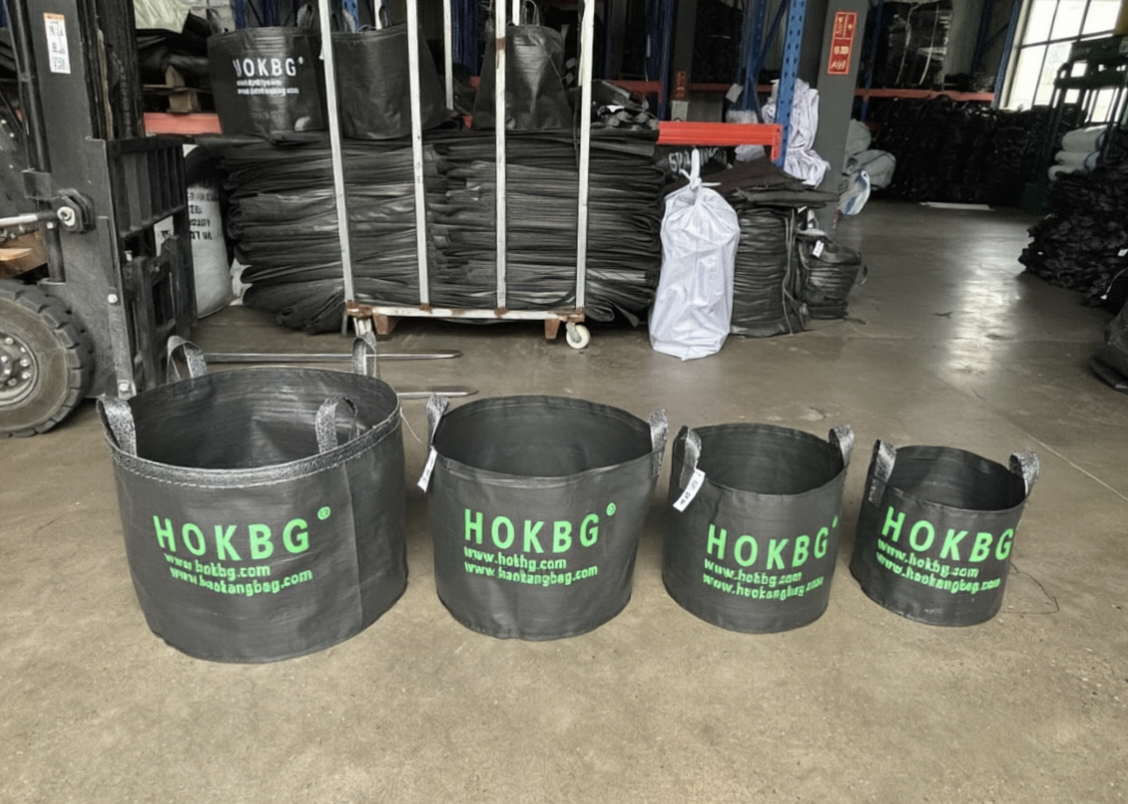
At HOKBG, we focus on manufacturing high-strength grow bags designed for professional growers worldwide. Our products are developed with durable materials, reinforced stitching technology, UV-resistant fabrics, and customized solutions to meet the requirements of large-scale nurseries, tree farms, and agricultural projects.
Whether you need standard sizes or customized large size grow bags for trees, selecting the right structure and material is the key to successful commercial plant production.
Conclusion
Choosing heavy duty grow bags for commercial nurseries requires more than selecting a larger container. Fabric GSM, handle structure, stitching quality, UV resistance, and load capacity all determine long-term performance.
For growers managing thousands of plants, investing in professional plant containers helps reduce replacement costs, improve workflow efficiency, and support healthier plant production.
The right grow bag is not just a planting container — it is an essential tool for successful large-scale cultivation.